
An oil painting is a layered object: canvas or board, a ground, layers of paint bound in drying oil, and often a protective varnish on top. Each of those layers reacts to its surroundings, which is why a little care goes a long way.
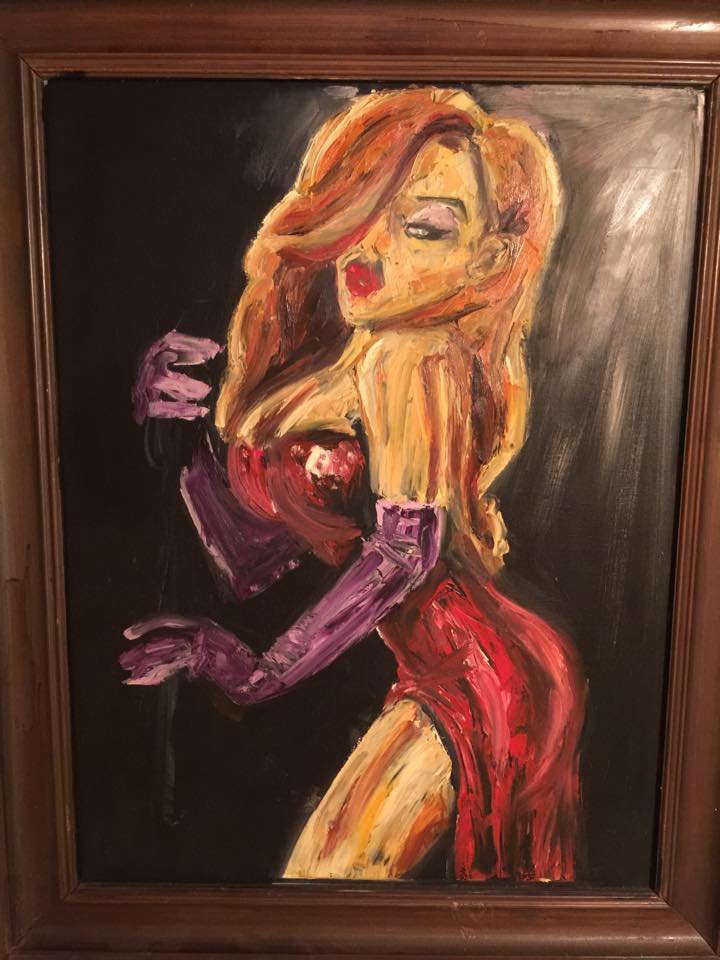
This guide covers the everyday habits that matter most if you own an oil painting, with Jessica, an oil on canvas by Chen Bachar (45×65 cm), as our example. None of it requires special equipment, only attention.
Jessica · Oil on canvas · 45×65 cm – View the artwork
Light: bright rooms, but no direct sun
Ultraviolet light and strong daylight slowly fade some pigments, and over time they can yellow varnish or make it brittle. The simplest rule is to keep an oil painting out of direct sunlight, including the patch of sun that crosses a wall for an hour every afternoon.
Indirect daylight and ordinary LED lighting are fine. If you want to light a painting, LED picture lights or ceiling spots that give off little heat and almost no UV are a safer choice than older halogen bulbs placed close to the surface.
Humidity and temperature: keep them steady
Canvas, wooden stretchers and paint layers all expand and contract as humidity and temperature change. Sudden swings do more harm than a slightly imperfect but stable climate, because repeated movement is what leads to cracking and flaking over the years.
Aim for a normal, comfortable home climate: roughly 18–24°C and moderate relative humidity, around 40–60%. Avoid hanging oil paintings above radiators, fireplaces or heaters, next to air-conditioning vents, on damp outside walls, or in bathrooms and kitchens where steam and grease collect.
My choice of materials depends on the message I want to pass on.
Chen Bachar, ARTiculAction Art Review
Dusting: a soft brush, never water or cleaners
Dust is the thing owners deal with most. Every few months, take a clean, dry, soft brush, such as a wide natural-hair brush or a soft make-up brush, and sweep lightly from top to bottom while holding the painting steady by its frame.
Do not use water, damp cloths, household cleaners, glass sprays, polish or home remedies such as bread or potato. They can seep into cracks, dissolve varnish or leave a residue. Feather dusters and microfibre cloths can catch on raised brushstrokes or loose flakes of paint, so a brush is gentler. If a painting looks dirty rather than dusty, that is a job for a professional.
Handling, hanging and transport
Handle a painting with clean, dry hands or cotton gloves, holding it by the sides of the frame or stretcher rather than by the top edge alone. Avoid touching the paint surface, and never press on the canvas from the front or the back: a small dent today can become a crack later.
When hanging, use two hooks rated for the weight and check the wire and fixings from time to time. Before moving a painting, cover its face with acid-free glassine or clean paper, then add padding and corner protectors; bubble wrap pressed straight onto paint can leave marks. Carry and store paintings upright, never stacked flat with weight on top. A recently painted oil can stay soft for months, so take extra care with new work.
When to call a conservator, and a note on acrylics
Contact a professional conservator if you notice flaking or lifting paint, new cracks, a tear or dent in the canvas, mould, water damage, or varnish that has turned noticeably yellow or cloudy. Do not try to glue, retouch or clean it yourself; well-meant home repairs are often the hardest to undo.
Acrylic paintings need similar care, with a few differences. Acrylic paint stays more flexible than oil, but its surface is softer and tends to attract and hold dust; it becomes brittle in the cold and slightly tacky in heat. Keep acrylics away from temperature extremes too, and dust them just as gently. For more on the two media, see oil vs acrylic painting.
Chen Bachar chooses his medium according to what a painting needs to say. You can browse his oil paintings, and if you own one of his works and have a question about it, the contact page is the place to ask.
More articles
- Why Buy Art from the Artist: What a Living Painter Gives You
- Art as a Gift: How to Choose a Painting Someone Will Love
- Becoming an Artist Later in Life: Programmer, Designer, Painter
- Venice Oil Painting: Light on Water in "Venice Window"
- Oil vs Acrylic Painting: How the Choice Shapes the Work
- Painting from Photographs Without Copying Them